

Programmable Immunity | Ep. 1052
The Real Opportunity in In-Vivo CAR Therapies
Hello Avatar! Welcome back for another week of biotech analysis. Today is Sunday, which means this is our Building Biotech newsletter that is focused on discussing biopharma strategy topics. This week, we dive into the rapidly advancing world of in-vivo CAR therapies. What began as an ambitious workaround to ex-vivo manufacturing is now transforming into a programmable platform for immune modulation. From CD4/CD8 tuning to redosable vectors and tissue-selective delivery, the field is converging on something much bigger than oncology.
We are now publishing 7x per week according to the following cadence:
Mondays: Stocks
Tuesdays: Biotech
Wednesdays: Podcast
Thursdays: Markets
Fridays: News
Saturdays: Podcast
Sundays: Strategy
We are also publishing unique content on X - be sure to follow up if you are not already @BowTiedBiotech. And to check-out the archive of our work on X you can find it on our website at: BowtiedBiotech.subtack.com/x-articles.
SUBSCRIBE TO PODCAST HERE:
Please help spread the work by subscribing and hitting the share button if you are enjoying our bi-weekly newsletters!

Enough shilling for the day, lots to cover this week, let's get started!
🚀 The Inflection Point Has Arrived
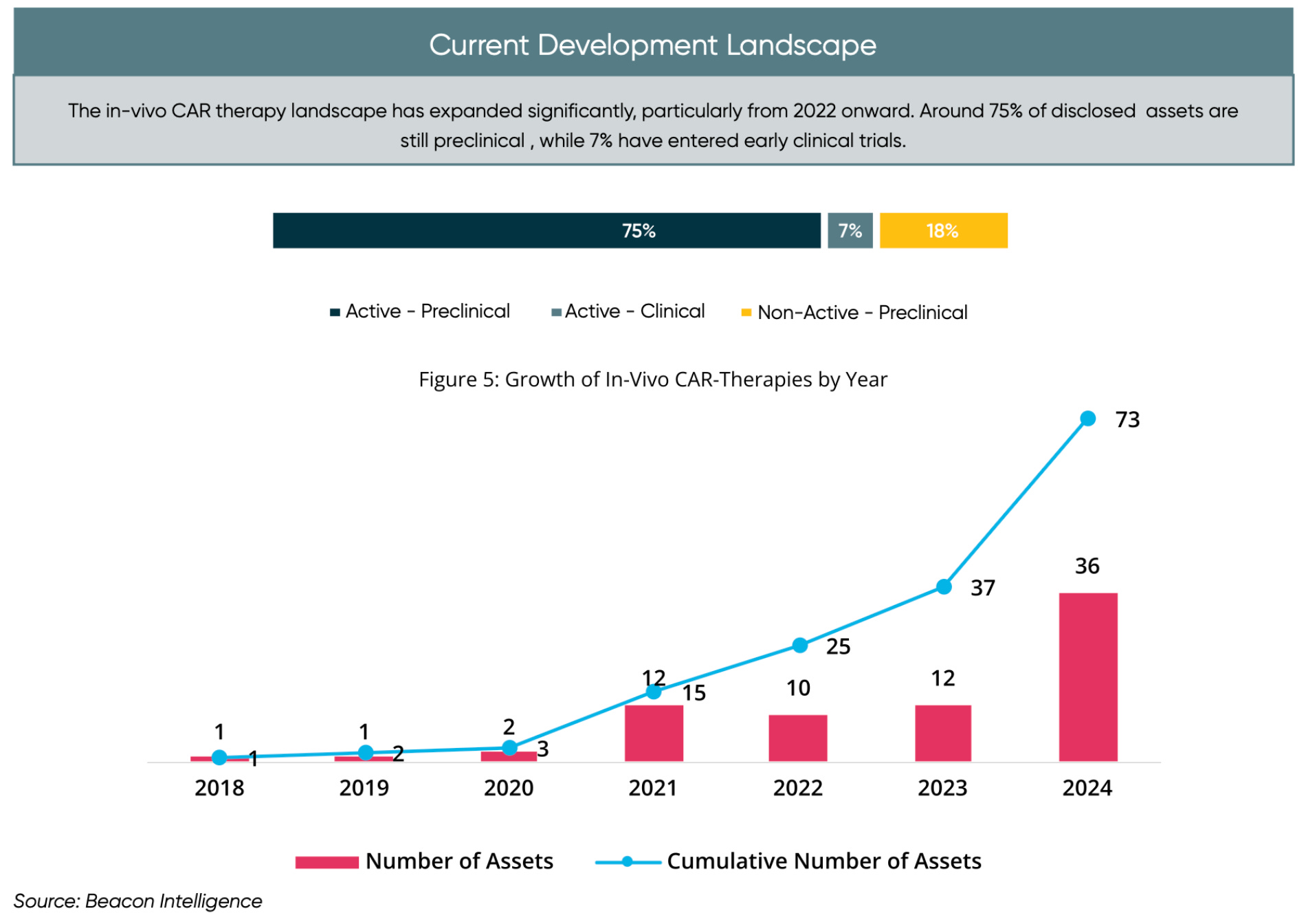
This week, we're unpacking the most important signal in cell therapy you might have missed: in-vivo CAR platforms are no longer speculative. According to the 2025 Global Report for In-Vivo CAR Cell Therapy from Novotech, over 70 disclosed assets are now in play, spanning oncology, autoimmunity, and beyond.
In-vivo CAR therapies are no longer theoretical.
Human dosing has begun.
Platforms like Umoja's VivoVec and Myeloid's LNP programs are now in first-in-human trials, and as we noted above, there are over 70 disclosed assets racing through preclinical development. With assets in development expected to cross 100 in 2025, the space is moving faster than many realize.
What’s emerging isn’t just a replacement for ex-vivo CAR-T, it’s an entirely new category of immunologic programming.
Today is more of an advanced discussion. We encourage those looking for the basics to checkout our previous writings on the topic - here.
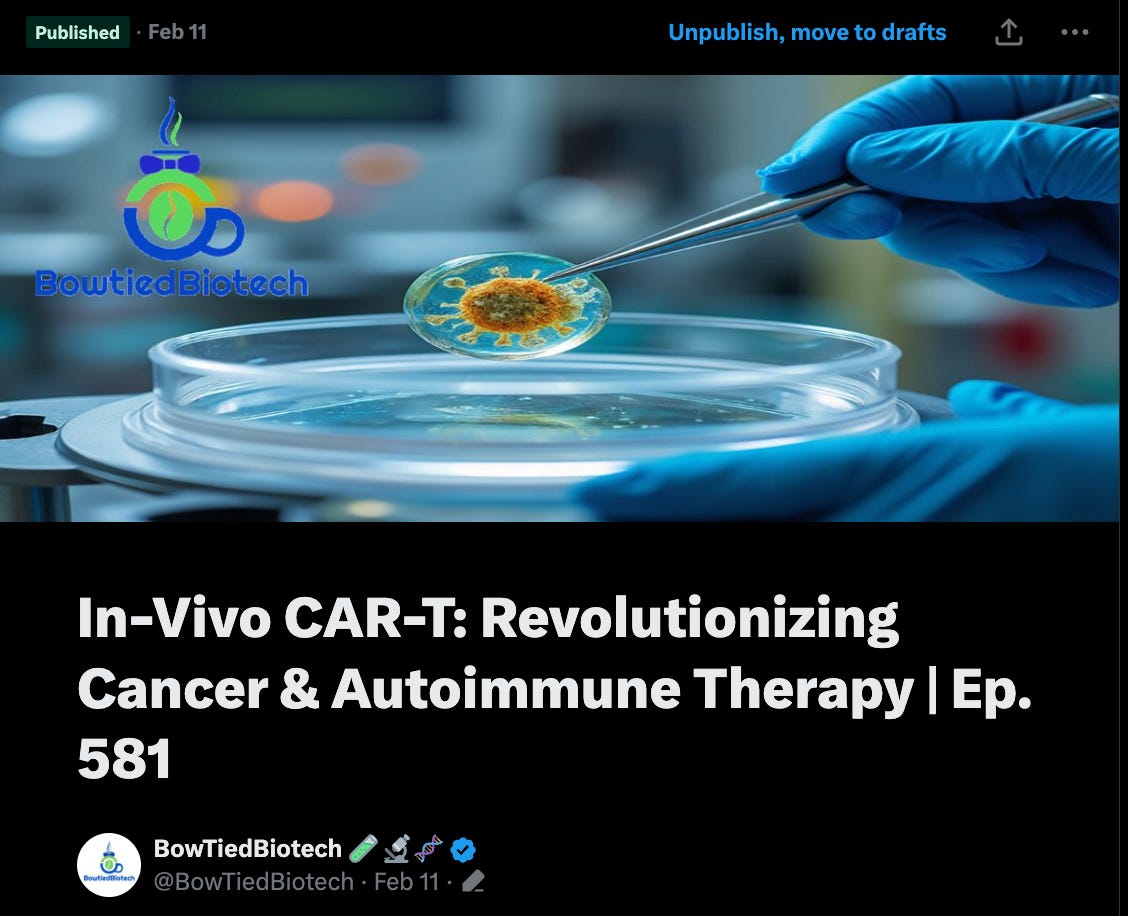
Also, we have written a few threads that have gone viral which you can see below:
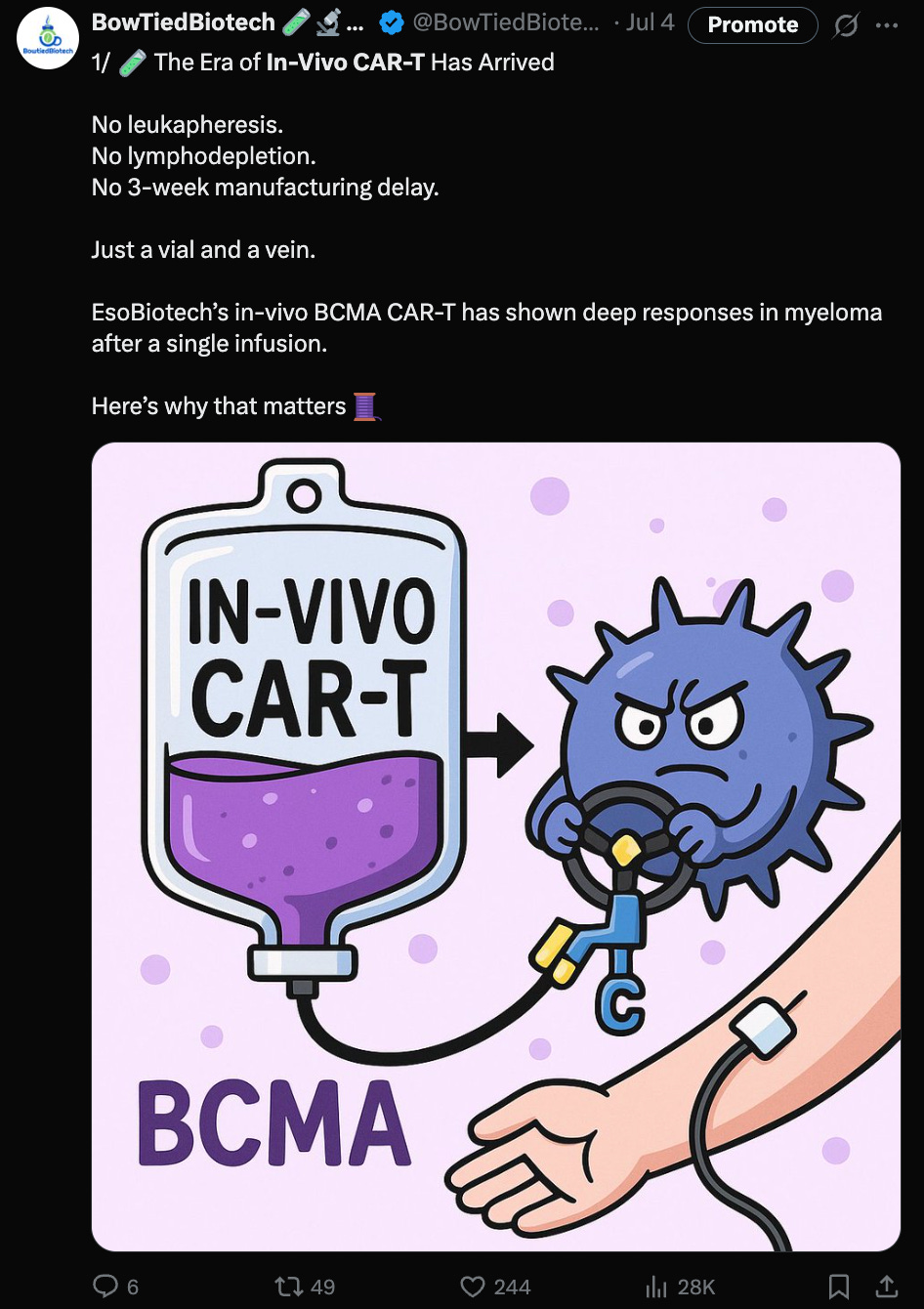
The Era of In-Vivo CAR-T Has Arrived
The Next Decade of In-Vivo CAR-T (2025–2035)
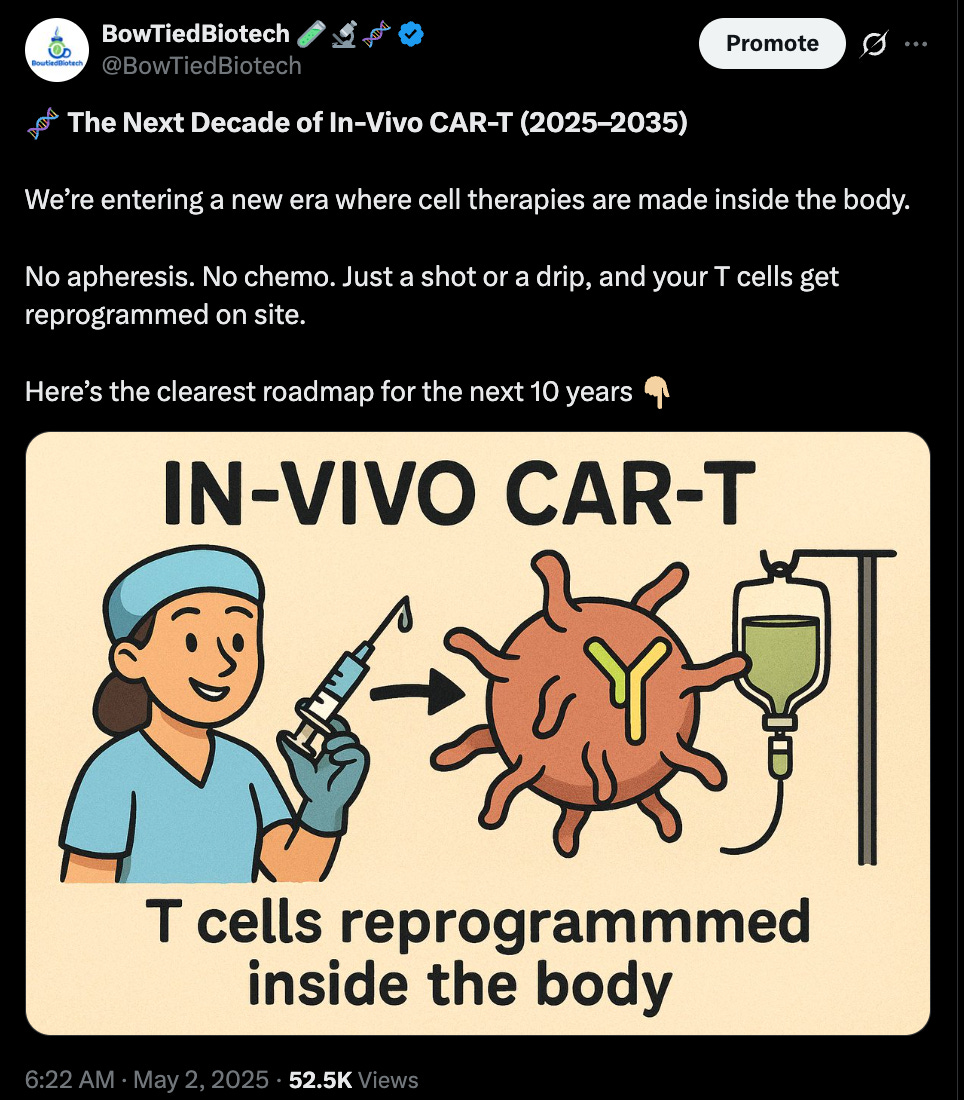
And more….search out timeline on twitter - we share quite a bit of interesting content on the topic.
However, today we are going to focus on some of the emerging approaches taking place in the field. These are not mainstream ideas….yet. It will be a bit technical, but we promise interesting. Topics will include:
Beyond CAR-T
Delivery considerations beyond targeting
Immune cloaking (with CD47)
Viral / Non-viral CAR-T combo sequencing
Programming PK
Leveraging geography for speed
What comes next?
Let’s get to it!
CARs as Dials, Not Switches
CARs Can Now Target Specific Cell Subtypes…and That Changes Everything
The original promise of CAR-T centered on brute-force tumor killing.
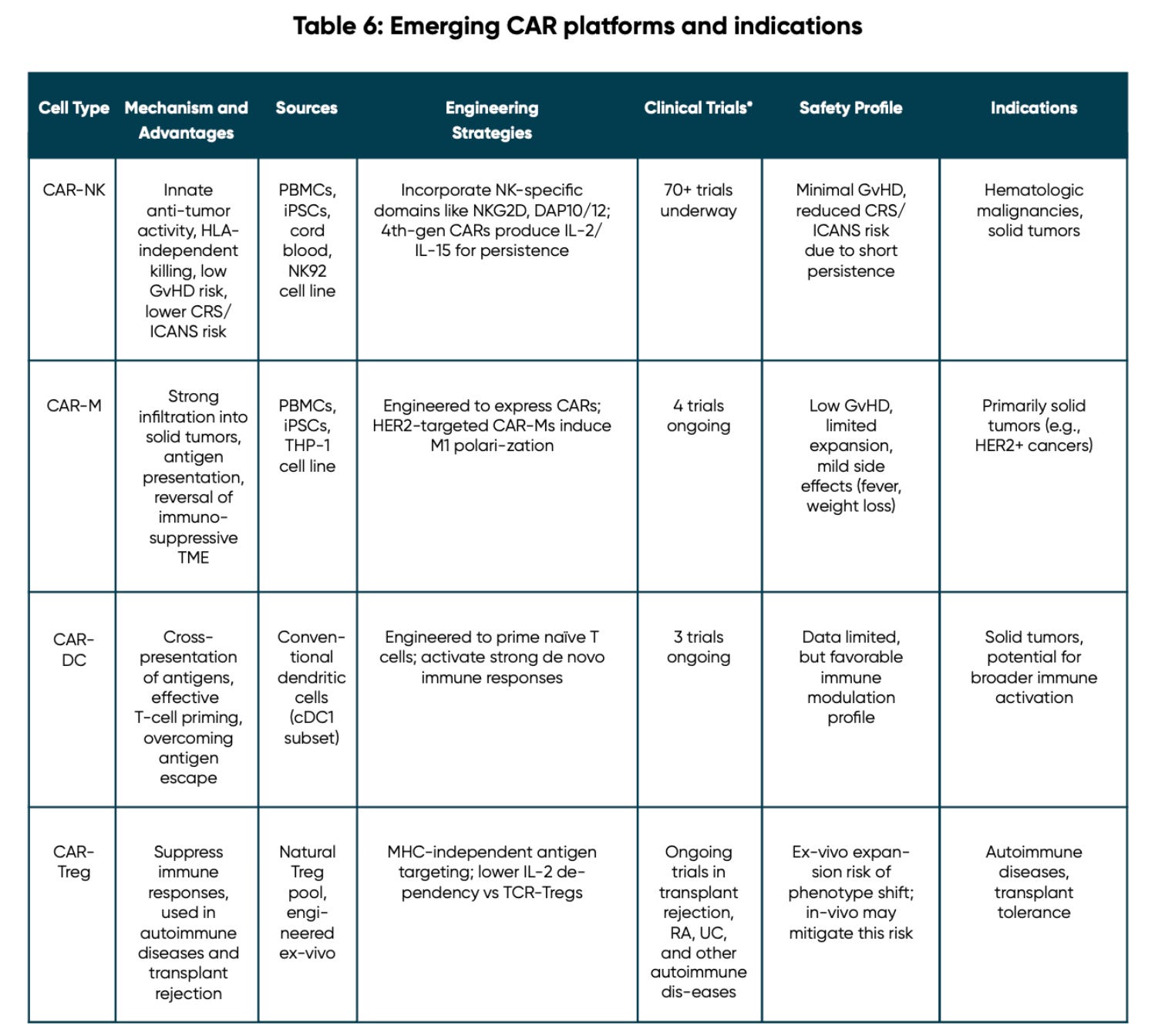
But as vector engineering evolves, developers are no longer limited to pan-T cell activation. Instead, CAR constructs are being tailored to target specific immune cell subtypes, each with unique functional advantages.
CAR-NK programs bring innate-like cytotoxicity with low GvHD and ICANS risk, ideal for off-the-shelf solid tumor regimens.
CAR-Macrophage (CAR-M) programs are designed to infiltrate tumors and remodel the immunosuppressive microenvironment.
CAR-Dendritic Cells (CAR-DCs) act upstream, priming naïve T cells and overcoming antigen escape.
Meanwhile, CAR-Tregs are being tested in autoimmune diseases, transplant tolerance, and inflammatory conditions by selectively suppressing unwanted immune activation.
This shift toward cell-subtype precision opens the door to more nuanced immune reprogramming: pushing, pulling, or silencing different arms of the immune response.
Delivery Is Getting Smarter…and Faster
Delivery is everything in this space. Particularly, if looking to apply the modality outside of blood or liver. And its not just about getting to a new zip code, its about how much payload gets there, how much it expands, and whether it’s tolerated across doses.
Delivery vectors like envelope-pseudotyped lentiviruses (NiV, SINV), bispecific viral particles, and engineered nanocarriers now enable precise targeting of immune cell subsets and tissue compartments.
Developers aren’t just trying to hit CD8+ T cells anymore, they're tuning biodistribution to match disease biology. Think lymph node-localized expression for vaccine-like priming, or spleen-targeted delivery for memory cell generation.
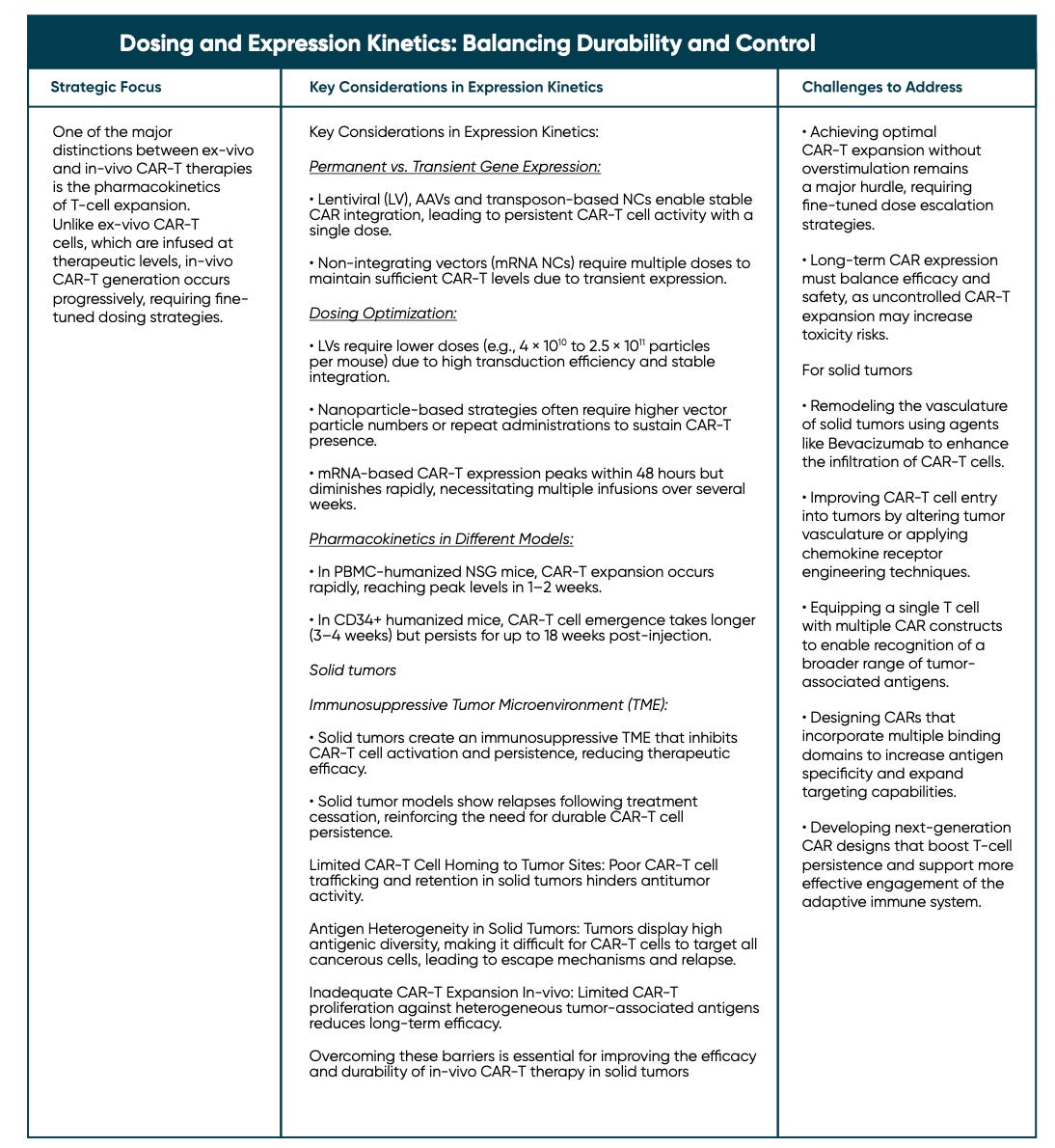
This level of control only matters because of how much dosing dynamics now influence efficacy. In-vivo CARs aren't infused at therapeutic levels like their ex-vivo cousins. They expand in situ. And that makes timing a variable, not a constant.
For example:
mRNA-based CARs produce a sharp peak in 48 hours, then decline, ideal for short-lived cytotoxic pulses.
Lentiviral constructs integrate and persist, better for chronic, low-burden diseases or long-term immunomodulation.
In some models, expansion occurs within one week. In others, CAR-T cells don’t peak until four weeks post-dose but persist for up to 18 weeks. Developers now think in half-lives, not just transduction efficiency.
That’s why dosing route, not just vector design, is being rethought. Intravenous push remains the most scalable and accessible option, but brings trade-offs in systemic exposure and clearance.
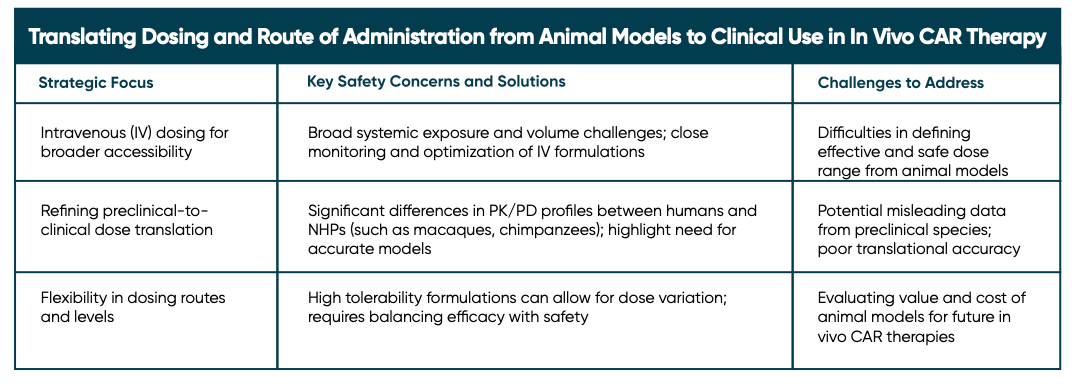
Animal models often fail to predict pharmacokinetics in humans. Macaque studies, for instance, show different persistence windows than CD34+ humanized mice. This makes preclinical-to-clinical dose scaling a central challenge, and a future area of competitive advantage.
As more programs move into solid tumors, the microenvironment creates a new set of hurdles - antigen heterogeneity, poor T-cell trafficking, and immunosuppressive signaling. The solution may lie in tuning not just the payload, but also how, where, and how often it's delivered.
In this new paradigm, CAR therapy looks less like a one-time infusion and more like an adaptive regimen. Dosing becomes a design tool, not a constraint.
CD47 Is Quietly Unlocking Redosing
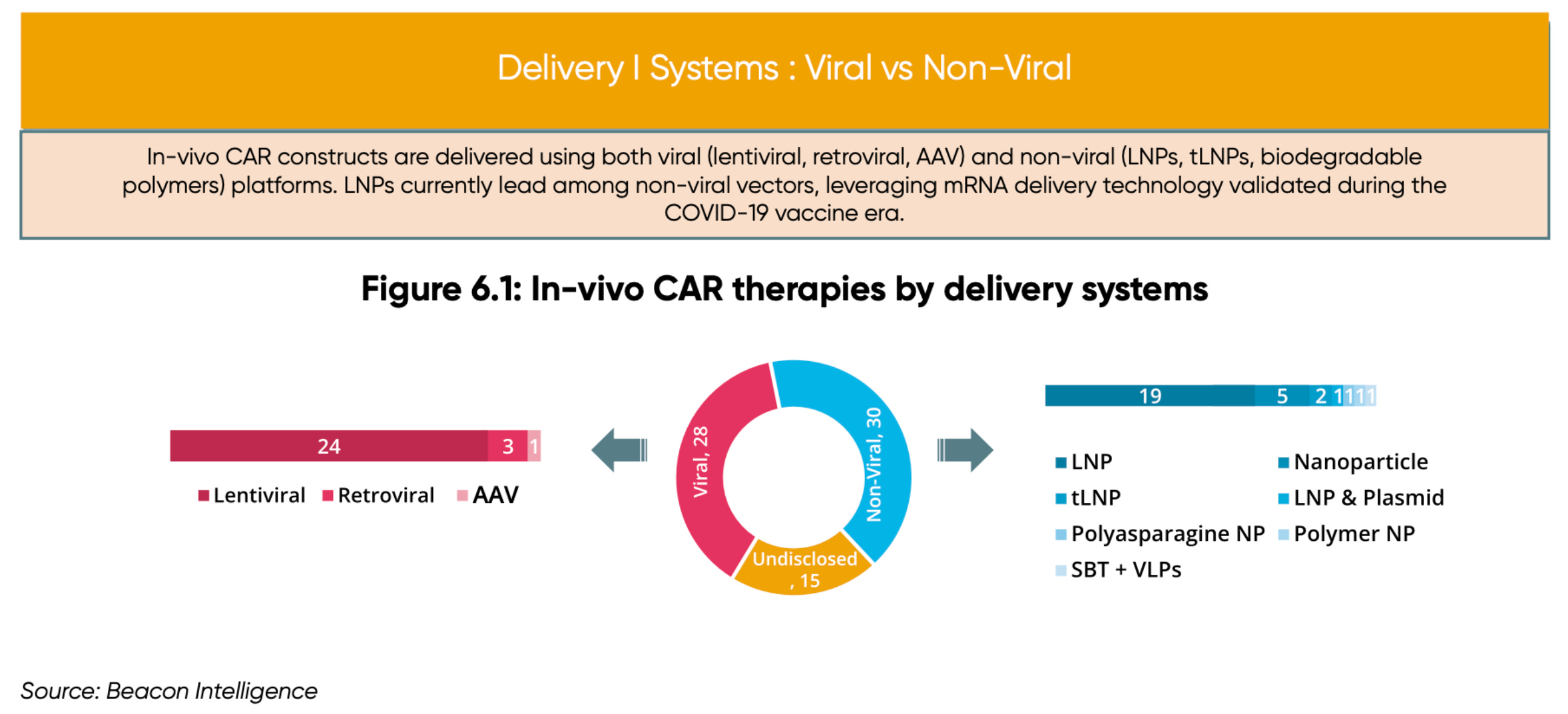
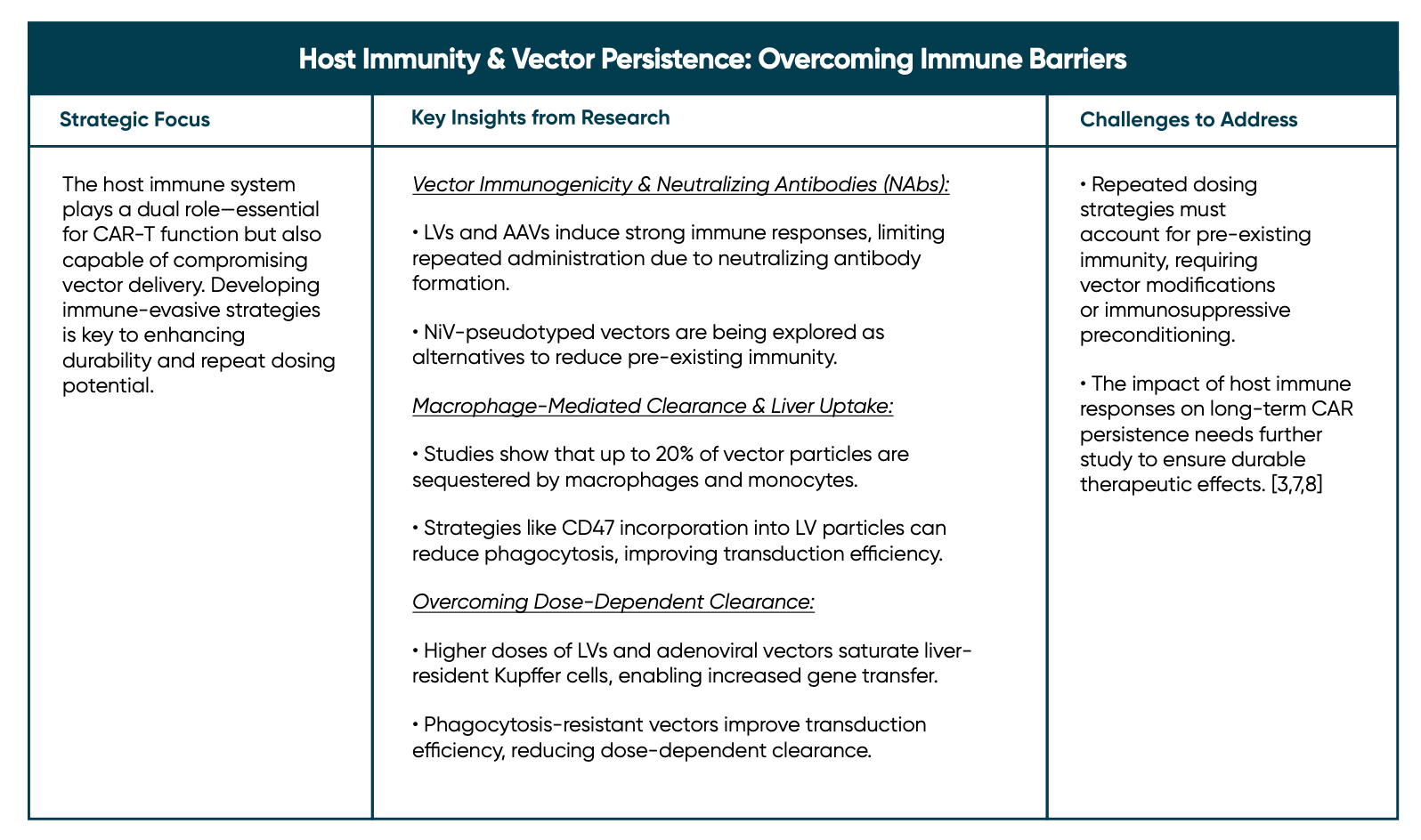
As delivery systems for in-vivo CARs diversify (e.g., from viral vectors like lentivirus and AAV to a rising array of non-viral systems such as LNPs and tLNPs) the focus has largely been on efficiency and payload capacity. But an equally important question is: can you go back in?
That’s where CD47 coating enters the picture.
CD47 acts as a “don’t eat me” signal, helping lentiviral particles evade phagocytic clearance by Kupffer cells in the liver and macrophages elsewhere. Without it, re-administered vectors are quickly eliminated, limiting dosing flexibility. With it, developers can begin to treat in-vivo CARs like a chronic therapy platform, repeatable, titratable, and trackable over time.
This opens three major strategic pathways:
Redosable regimens: Not all diseases require a one-and-done cure. Chronic conditions like lupus, MS, or heart failure may benefit from periodic immune retraining.
IV push for maintenance: Instead of central infusions, patients could receive quarterly or even monthly redosing via peripheral injection, bringing the pharmacology of CAR-T closer to biologics.
Body-integrated CAR loops: When vectors evade immune clearance, they can persist or re-engage, allowing for adaptive dosing based on circulating cell counts, biomarkers, or disease activity.
The CD47 upgrade may seem subtle, but it fundamentally redefines what kind of diseases in-vivo CARs can treat, and how often. This is what turns a cell therapy into a dosing strategy.
Combo-Native Modality: In-Vivo as the Immune Conductor
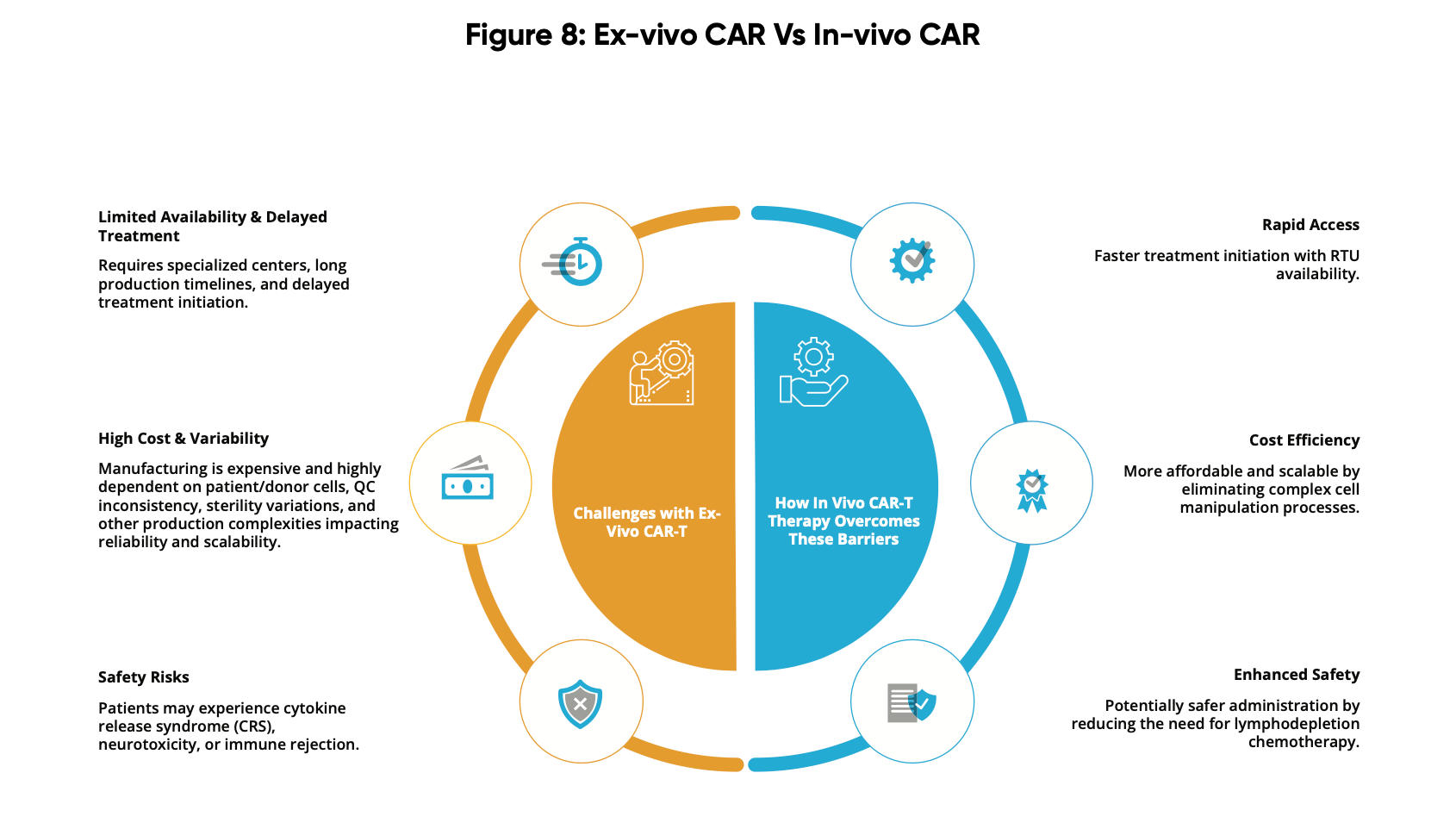
Buried in the whitepaper is a strategic clue that in-vivo CAR-Ts aren’t just standalone therapies, they’re evolving into immunologic amplifiers that can be slotted into combination regimens with surprising ease.
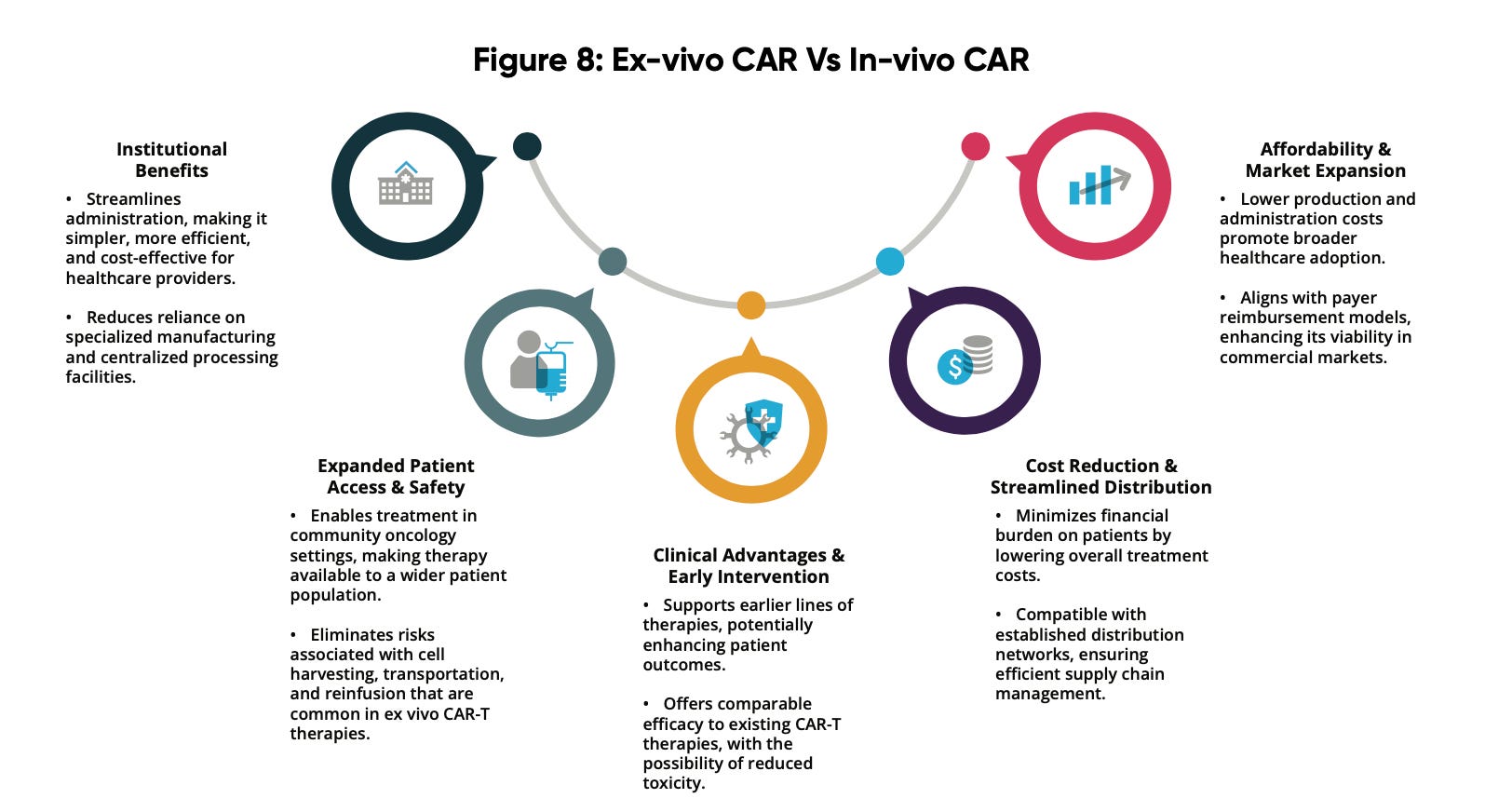
Ex-vivo CAR-T requires manufacturing, coordination, and patient-specific scheduling that limits synergy with other agents. In contrast, in-vivo approaches are rapid, scalable, and RTU-compatible, which enables plug-and-play combinations across settings.
This unlocks a new design language in trial strategy:
Priming and Persistence: In-vivo CARs can prime tumor-specific T cell responses while laying the groundwork for memory formation, enabling vaccines or oncolytics to extend depth.
Checkpoints Optional: With more precise T cell activation and localization, in-vivo regimens may reduce dependence on broad checkpoint inhibition or high-dose cytokine support.
Earlier Use: Combo-native regimens can now be trialed earlier in treatment courses, offering multi-pronged immune engagement without needing hospitalization or cell harvest.
As platform readiness improves, expect future trials to treat in-vivo CARs like immunologic APIs, modular components that fit neatly into broader anti-cancer regimens. This isn’t a convergence story. It’s a new layer of programmable control in combination immunotherapy.
Pharmacokinetics as a Design Variable
In-vivo CAR expression is no longer just an outcome, it's a programmable trait. mRNA, lentiviral, and nanoparticle-based systems each come with distinct pharmacokinetic signatures, and developers are beginning to treat these expression curves like antibody PK profiles.
mRNA-based CARs offer rapid-onset expression, typically peaking within 24 to 48 hours. This is ideal for short-burst cytotoxic activity, controlled induction, or minimizing prolonged immunogenicity in sensitive tissues.
Lentiviral and integrating vectors provide persistent expression, sustaining CAR activity across weeks or months, critical for driving durable responses in immunosuppressive or relapsing settings.
Stacked or sequenced vectors open up entirely new kinetic profiles. One could envision priming with mRNA for tumor debulking, followed by LV to drive memory cell engagement and long-term surveillance.
This kinetic diversity reframes CAR-T pharmacology. Developers will begin modeling CAR expression with the same rigor as cytokine clearance or antibody half-life, using cfDNA and CAR transgene tracking to monitor durability, re-expansion, and potential redosing thresholds.
This concept is theoretical of course, but it is clear the field is converging on a new layer of immune control, timing as therapy.
Geography as a Trial Accelerator
While we see global clinical development synergy broadly happening, in-vivo CAR developers are also beginning to exploit regional regulatory arbitrage as a strategic lever.
Interius’ INVISE trial kicked off in Australia. Capstan and Umoja have similarly leveraged ex-US sites to sidestep domestic delays.
This isn’t only for speed. It’s about global harmonization meeting modular trial design. Sponsors are now:
Launching FIH studies in Australia to benefit from rapid start-up, centralized ethics review, and cost-efficient patient access
Seamlessly bridging into U.S. and EU trials with shared datasets, banking on increasing FDA/EMA receptivity to foreign-generated evidence
Using early global data to unlock licensing leverage, attract partners, and derisk downstream registrational strategy
In a modality where time-to-human is existential, site geography becomes as important as delivery vector. Expect a new standard - decentralized development for centralized value creation.
💸 Financing Surge Signals Platform Confidence
If you are just coming to speed, I’m afraid you are a bit behind. Savvy venture capitalists have already placed their bets.
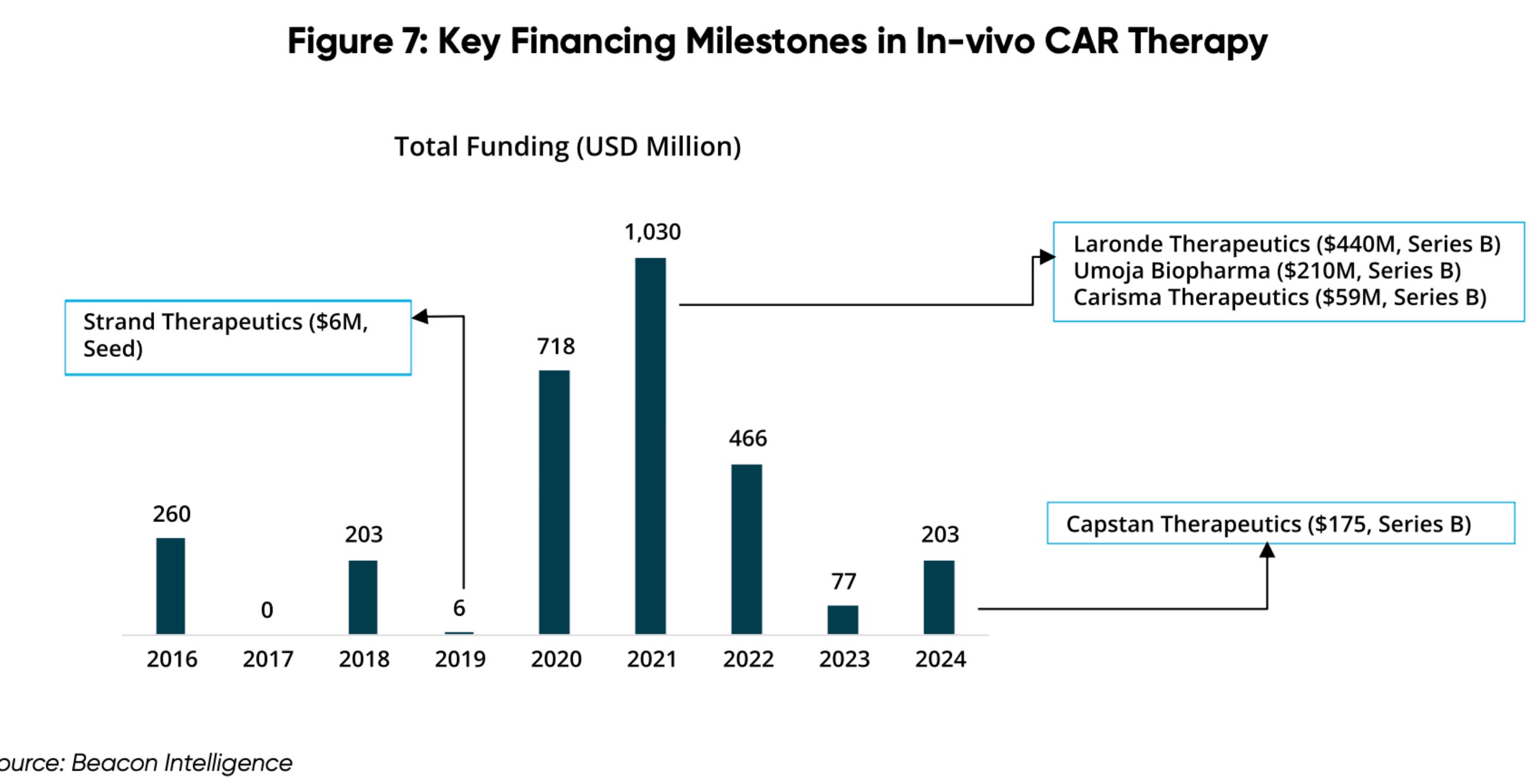
From just $6M in disclosed funding in 2019 to a $1B+ peak in 2021, investor appetite for in-vivo CAR-T has mirrored the broader wave of programmable cell therapy hype.
Even amid tighter capital markets, 2024 saw Capstan ($175M), Umoja ($210M), and Laronde ($440M) raise major Series B rounds, underscoring that platform conviction, not just lead asset readouts, is driving deal flow.
The implication - VCs now treat in-vivo CAR-T platforms as long-term modality bets, not single-shot therapies. Execution risk remains high, but the scale of recent rounds suggests these companies are being capitalized like biotech infrastructure, not product plays.
Forward Look: What Comes Next?
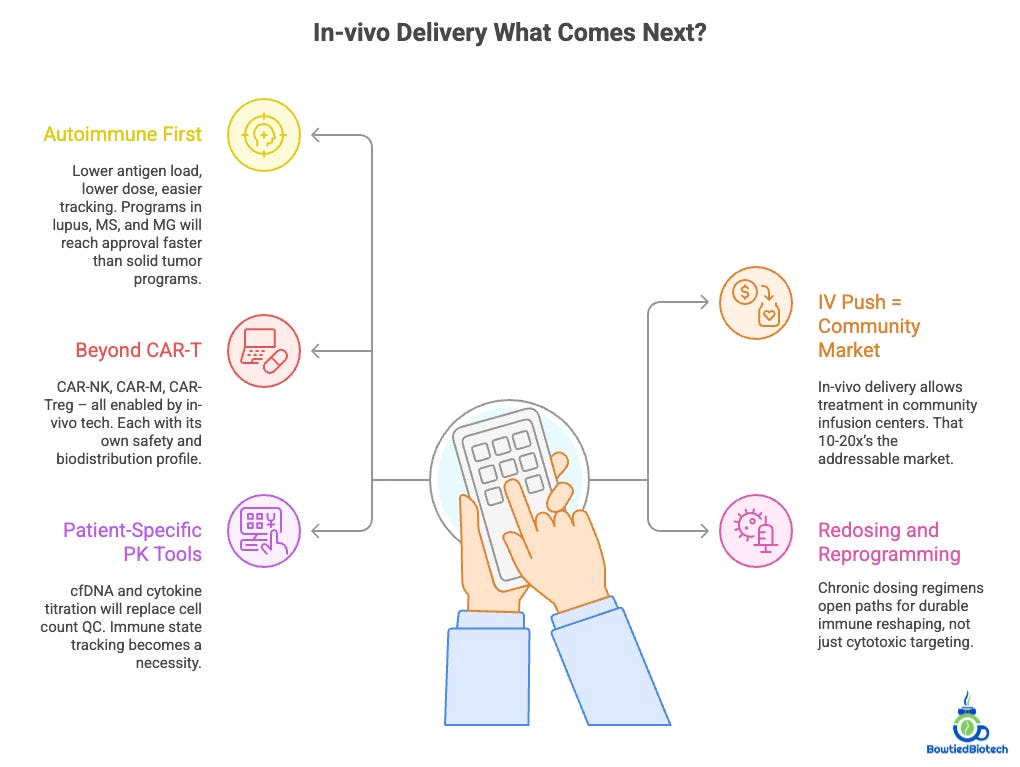
As in-vivo CAR technologies transition from early proof-of-concept to scalable clinical platforms, the strategic horizon is already shifting. What began as a technical feat, turning the body into the cell factory, is now unlocking new therapeutic frontiers, delivery models, and immune control levers.
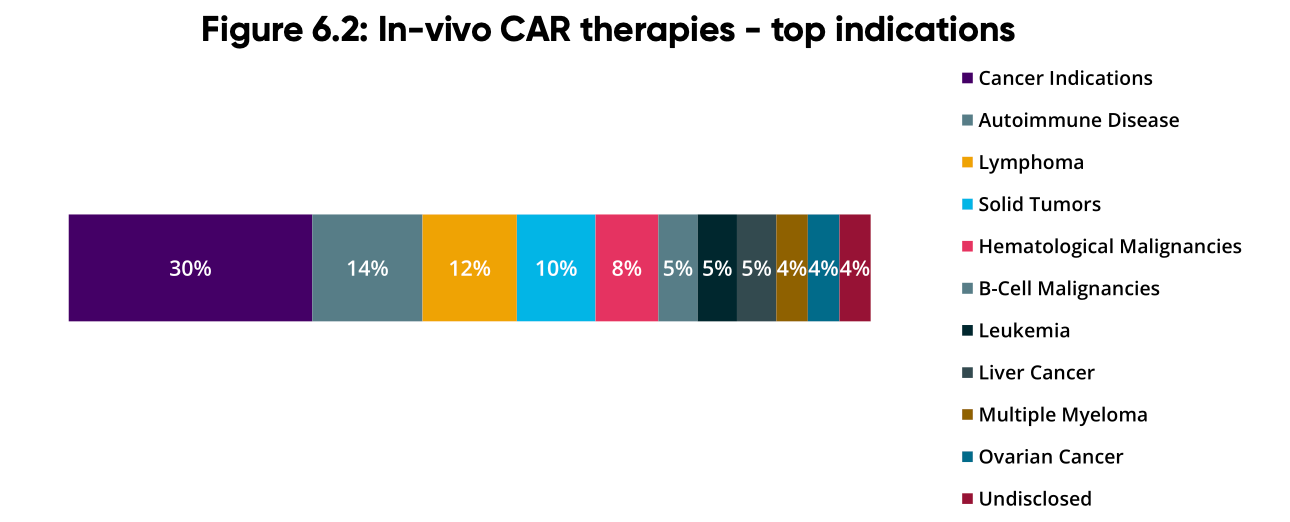
Autoimmune First: Lower antigen load, lower dose, easier tracking. Programs in lupus, MS, and MG will reach approval faster than solid tumor programs.
IV Push = Community Market: In-vivo delivery allows treatment in community infusion centers. That 10-20x’s the addressable market.
Beyond CAR-T: CAR-NK, CAR-M, CAR-Treg – all enabled by in-vivo tech. Each with its own safety and biodistribution profile.
Redosing and Reprogramming: Chronic dosing regimens open paths for durable immune reshaping, not just cytotoxic targeting.
Patient-Specific PK Tools: cfDNA and cytokine titration will replace cell count QC. Immune state tracking becomes a necessity.
Final Take: Treat the Vector Like a Drug
The next frontier in in-vivo CAR-T isn’t just cell therapy without the cells. It’s vectorized pharmacology.
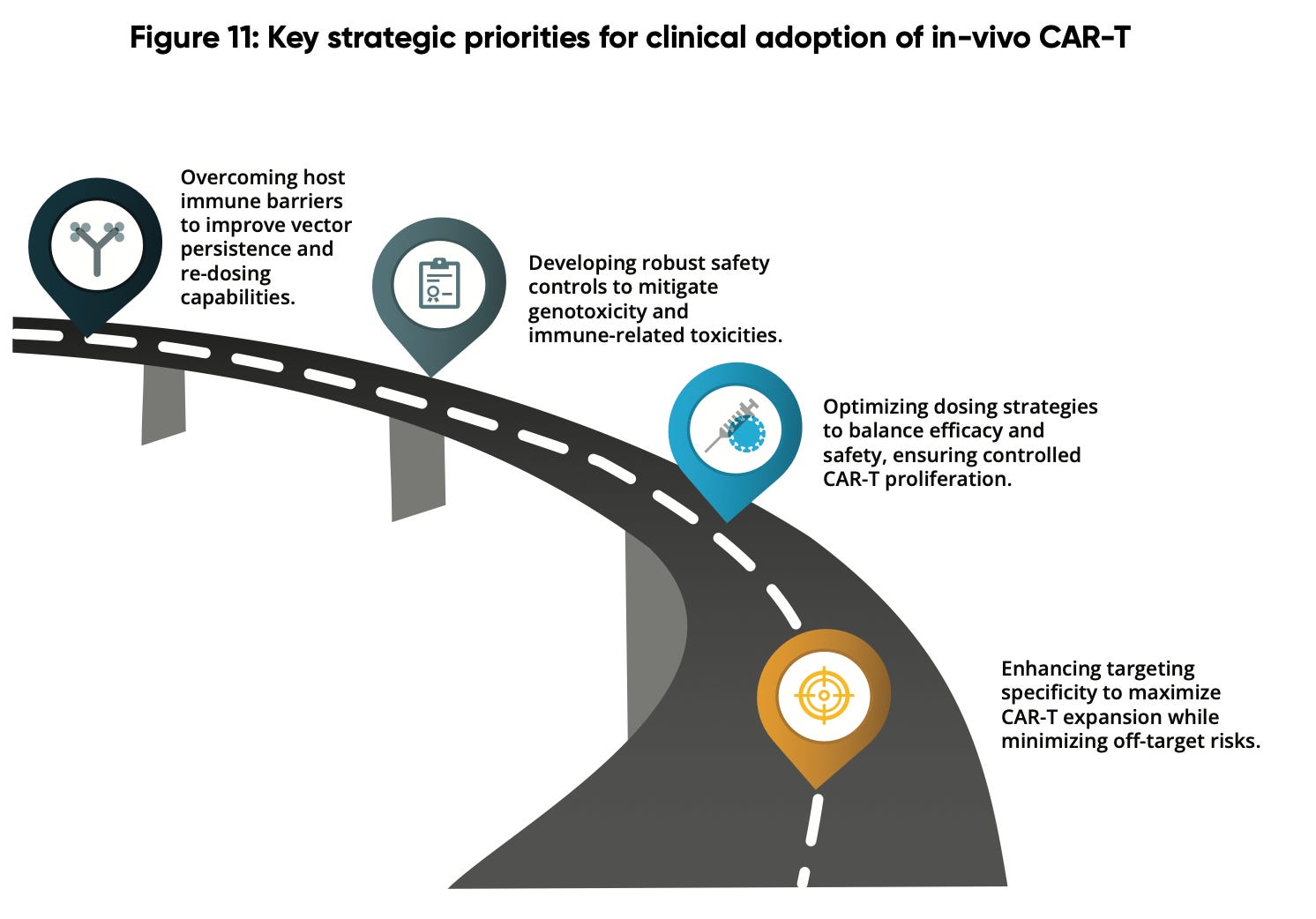
Delivery platforms (e.g., whether mRNA, LNP, or viral) are no longer passive couriers. They’re programmable components with tunable pharmacokinetics, immunogenicity profiles, and tissue specificity. Like ADCs and bispecifics before them, these vectors demand drug-like discipline.
Expect the winners in this space to:
Design for repeat dosing, using stealthy capsids or immune-evasive payloads
Engineer selective tropism, targeting myeloid, NK, or even stromal cells beyond T cells
Integrate combination logic, enabling co-delivery with cytokines, checkpoint modulators, or vaccines
Embed tracking and control, from cfDNA kinetics to dynamic cytokine fingerprints
This is system-level immune rewiring, delivered like a small molecule, personalized like gene therapy, and updateable like software.
The biotech companies that understand vectors as tunable drugs, not static delivery tools, will define the next decade of immuno-oncology.
CONCLUSION
Today, in-vivo CAR therapies represent more than a new class of therapeutics, they are a new way of thinking about immune engineering. The shift from cell products to systemically delivered, trackable, and tunable interventions is already underway. As the field moves toward redosing regimens, combo-native designs, and autoimmune indications, the winners will be those who treat vectors like drugs, immune dynamics like pharmacokinetics, and CARs like programmable code. The toolkit is expanding. The question is, who’s building with it?
As a reminder, if looking to go deeper into the topics we cover check out our website BowTiedBiotech.com, or DM us on twitter, or email us: bowtiedbiotech@gmail.com
DISCLAIMER
None of this is to be deemed legal or financial advice of any kind. All updates are sourced from publicly available disclosures. Insights are *opinions* written by an anonymous cartoon/scientist/investor.
TOP BOWTIEDBIOTECH NEWSLETTERS