

Hello Avatar! Another week of biotech news is in the history books. We are proud to bring you the latest edition of our weekly biotech news fix. The content is designed to be consumed as a quick scroll to bring readers up to speed on key events from the week. For those of you interested to read a bit more, we provide links to the source articles.
We are now publishing 7x per week according to the following cadence:
Mondays: Stocks
Tuesdays: Biotech
Wednesdays: Podcast
Thursdays: Markets
Fridays: News
Saturdays: Podcast
Sundays: Strategy
We are also publishing unique content on X - be sure to follow up if you are not already @BowTiedBiotech. And to check-out the archive of our work on X you can find it on our website at: BowtiedBiotech.subtack.com/x-articles.
SUBSCRIBE TO PODCAST HERE:
Please help spread the work by subscribing and hitting the share button if you are enjoying content!

BowTiedBiotech
Weekly Biotech Summary
Week of October 19, 2026
Market Snapshot
For the week, the public indexes were MIXED, with the S&P -0.5% & DOW moving +0.4%. For the year both remain UP +11.2% and +7.9% respectively. The XBI (the biotech index) comes in UP +3.6% for the week and remains +23.2% for the year.
This week in biotech saw significant clinical trial results, major regulatory developments, and notable business deals. Key data from Moderna-Merck, Amgen, and Novartis highlighted advances in cancer and multiple sclerosis therapies. Regulatory actions included the FDA lifting a clinical hold on a rare disease program and the US Treasury proposing new investment restrictions in Chinese biotech. The week also featured large financings, cross-border licensing, and continued momentum in AI-driven drug discovery.
Clinical Data
Moderna-Merck Melanoma Cancer Vaccine Data Released Early at ESMO
What happened
Highly anticipated Phase 3 data for Moderna and Merck’s personalized mRNA cancer vaccine in melanoma were released ahead of schedule due to an embargo breach at the European Society for Medical Oncology (ESMO) conference in Madrid.
Why it matters
The early release of these results marks a major milestone for cancer immunotherapy, as the study is closely watched for its potential to change the standard of care in melanoma treatment.
Clinical Data
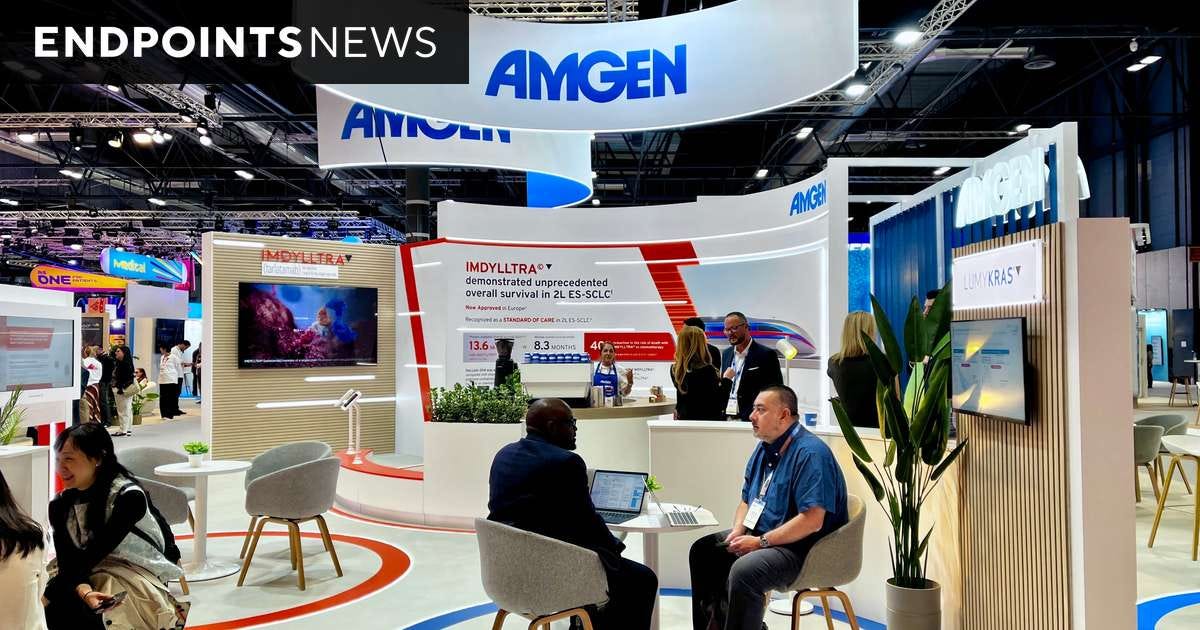
Amgen’s Imdelltra Regimen Significantly Reduces Death Risk in Lung Cancer Trial
What happened
Amgen reported that its Imdelltra regimen, combined with AstraZeneca’s Imfinzi, reduced the risk of death by 58% compared to Imfinzi alone in a Phase 3 trial for small cell lung cancer.
Why it matters
This result represents a significant advance in the treatment of small cell lung cancer, offering patients a new option that could substantially improve survival outcomes.
Clinical/Regulatory
Bristol Myers Reports Death in MS CAR-T Trial and Addresses Lupus Safety Signal
What happened
Bristol Myers Squibb disclosed a patient death in its autoimmune CAR-T cell therapy trial for multiple sclerosis and provided an update on the safety signal that previously led to a pause in its lupus trial.
Why it matters
These developments impact the future of CAR-T therapies in autoimmune diseases, highlighting both the promise and the safety challenges of this emerging treatment approach.
Clinical Data
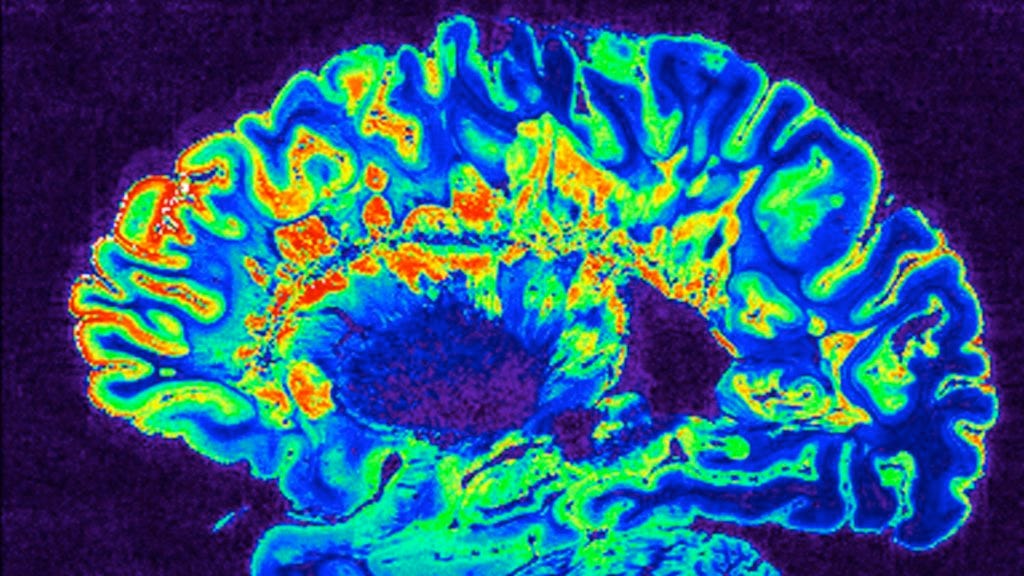
Novartis MS Drug Remibrutinib Reduces Relapse Rates in Pivotal Trials
What happened
Novartis announced that its multiple sclerosis drug remibrutinib reduced annualized relapse rates by about a third compared to Sanofi’s Aubagio in two Phase 3 studies, with a cleaner safety profile than some competitors.
Why it matters
These results could expand treatment options for multiple sclerosis patients, as remibrutinib may offer a favorable balance of efficacy and safety compared to existing therapies.

Regulatory/Policy
US Treasury Proposes Major Restrictions on Investment in Chinese Biotech
What happened
The US Treasury Department proposed a rule to restrict future US investment in the Chinese biotech sector, adding biotechnology to the list of industries subject to national security-related investment controls.
Why it matters
This move has broad implications for cross-border biotech financing and collaboration, potentially affecting the flow of capital and technology between the US and China.

Financing
Lycia Therapeutics Prices $318M IPO, One of the Largest Recent Biotech Offerings
What happened
Lycia Therapeutics completed a $317.5 million initial public offering, making it one of the largest biotech IPOs in recent months.
Why it matters
The successful IPO signals strong investor interest in next-generation protein degradation technologies and the broader biotech sector.

M&A/Licensing
Roche Signs Up to $813M Deal with Zymeworks for Preclinical T Cell Engager
What happened
Roche entered into a deal with Zymeworks, paying $55 million upfront for worldwide rights to a preclinical trispecific T cell engager, with total deal value up to $813 million.
Why it matters
This agreement highlights continued pharmaceutical interest in next-generation immuno-oncology assets and the value placed on innovative preclinical programs.

M&A/Licensing
Gilead Inks $1.3B Upfront Licensing Deal with China’s PepStar for IL-23 Program
What happened
Gilead Sciences agreed to pay $1.3 billion upfront to acquire rights to PepStar Therapeutics’ IL-23R inhibitor program, including the oral candidate HCXT-2001, for inflammatory diseases.
Why it matters
This major cross-border licensing deal reflects Gilead’s strategy to diversify beyond HIV and expand its pipeline in immunology and inflammatory diseases, as well as ongoing collaboration between US and Chinese biotechs.

Regulatory
FDA Lifts Clinical Hold on Aardvark’s Prader-Willi Syndrome Study After Safety Review
What happened
The FDA removed a clinical hold on Aardvark Therapeutics’ ARD-101 program for Prader-Willi syndrome after new safety data showed no cardiac events at therapeutic doses.
Why it matters
This decision allows Aardvark to resume development of a rare disease therapy, providing renewed hope for patients with Prader-Willi syndrome and their families.

Financing/Partnership
Pathos Raises $237M at $3B Valuation, Signs Neuro Partnership with Bristol Myers
What happened
AI-driven biotech Pathos raised $237 million in a Series E financing round at a $3 billion valuation and announced a new neuro partnership with Bristol Myers Squibb.
Why it matters
The funding and partnership underscore the growing role of artificial intelligence in drug discovery and the increasing collaboration between AI-focused biotechs and major pharmaceutical companies.
CONCLUSION
There you have it, another week of your Weekly Biotech News Fix. We hope you enjoyed it, please drop a comment with any feedback you may have.
We are now publishing 7x per week according to the following cadence:
Mondays: Stocks
Tuesdays: Biotech
Wednesdays: Podcast
Thursdays: Markets
Fridays: News
Saturdays: Podcast
Sundays: Strategy
SUBSCRIBE TO PODCAST HERE:
Sundays and Mondays are under the paid umbrella, everything else is FREE. It is $11.99/month and we encourage you to support our efforts. It keeps us motivated to keep producing the hybrid science and business biotech focused content you will not find anywhere else all in the same place.
As a reminder, if looking to go deeper into the topics we cover check out our website BowTiedBiotech.com, or DM us on twitter, or email us: bowtiedbiotech@gmail.com
ABOUT BOWTIEDBIOTECH
As a reminder, the purpose of the BowTiedBiotech substack is two-fold. Primarily, we aim to provide our scientist audience the tools to build a biotech company and ultimately translate their ideas into medicines for patients. Secondarily, biotech investors may find this substack useful as we will be providing weekly market updates of the public AND private markets as well as heavily leveraging current financing events as teaching examples.
DISCLAIMER
None of this is to be deemed legal or financial advice of any kind. All updates are sourced from publicly available disclosures. Insights are *opinions* written by an anonymous cartoon/scientist/investor.
TOP BOWTIEDBIOTECH NEWSLETTERS